

Senses
What is happening on your desk
Lumi knows what you are doing on your desk in real time — paperwork, circuits, or a gadget you just unboxed.

Lumi knows what you are doing on your desk in real time — paperwork, circuits, or a gadget you just unboxed.

Lumi knows when you need help and steps in without you asking.

Lumi runs completely offline, so nothing you work on ever leaves the desk.
Both hands are busy and half the problem is physical. Lumi holds the bench and the file in one thought, so you can ask about the part under your iron without putting it down.
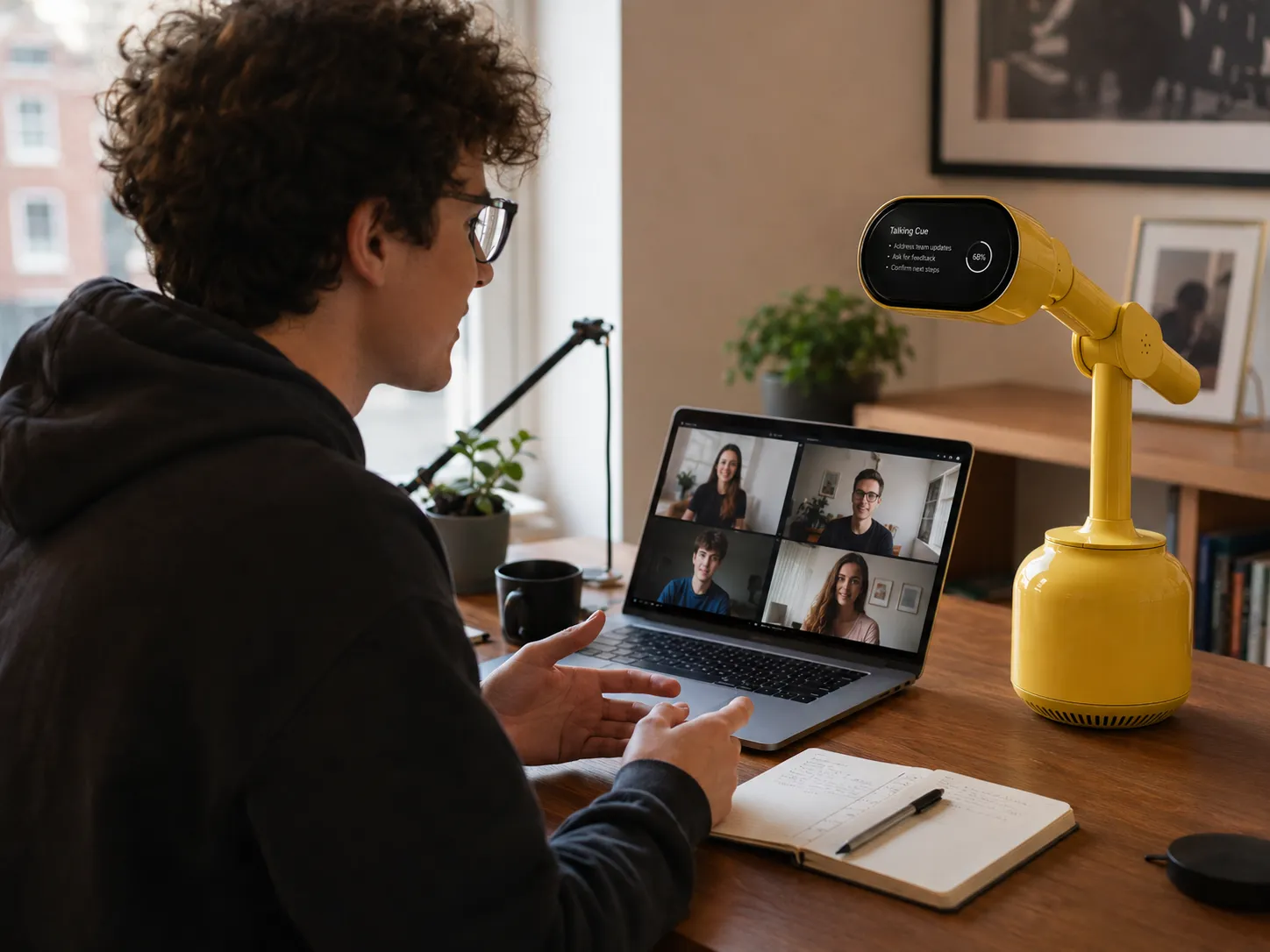
Lumi keeps your agenda on its own face where only you can read it, tracks what has been covered, and writes the minutes while you talk.
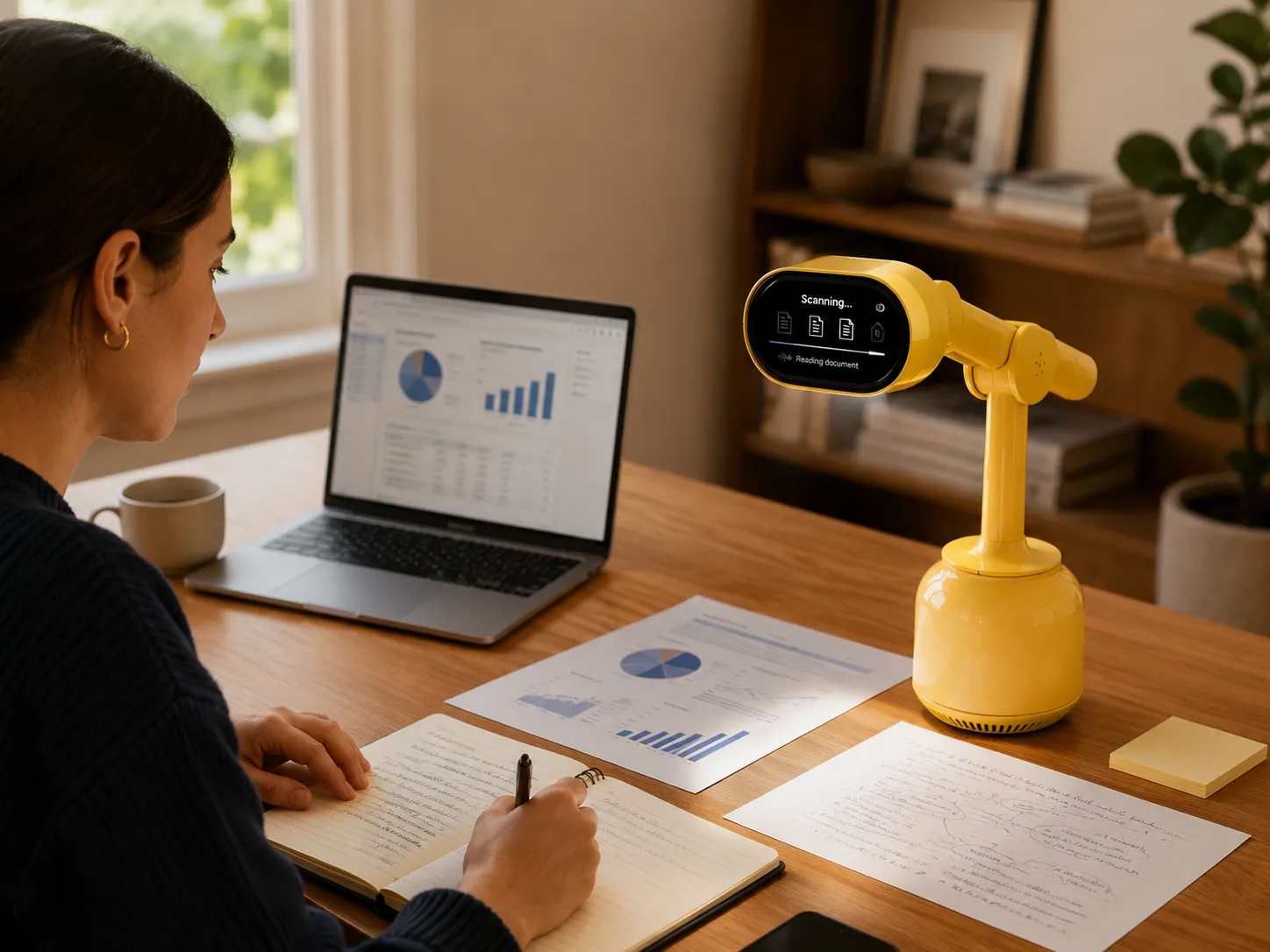
Serious reading still happens on paper, where every assistant loses the thread. Slide a page under the light and Lumi picks up the figures and keeps your handwriting in the record.
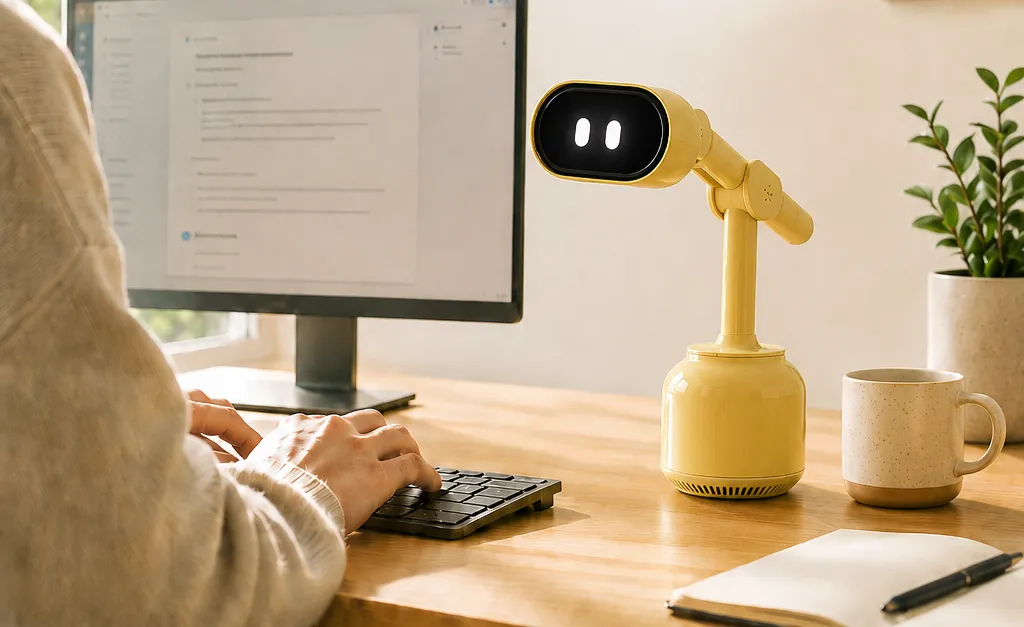
Most of the day is not a task you can name. Lumi holds the thread of what you are doing and speaks up at the pause, not the moment it has something to say.
Most AI assistants send your screen to someone else's server. Lumi's models run on the hardware in front of you.
The desk is where we start, because that is where the hours are. But an assistant with eyes and a body can know your space, not just your files.
What makes an assistant personal was never in your documents. It is in your room, your habits, the things within reach.

It watches the pan with you and speaks up before the garlic turns.
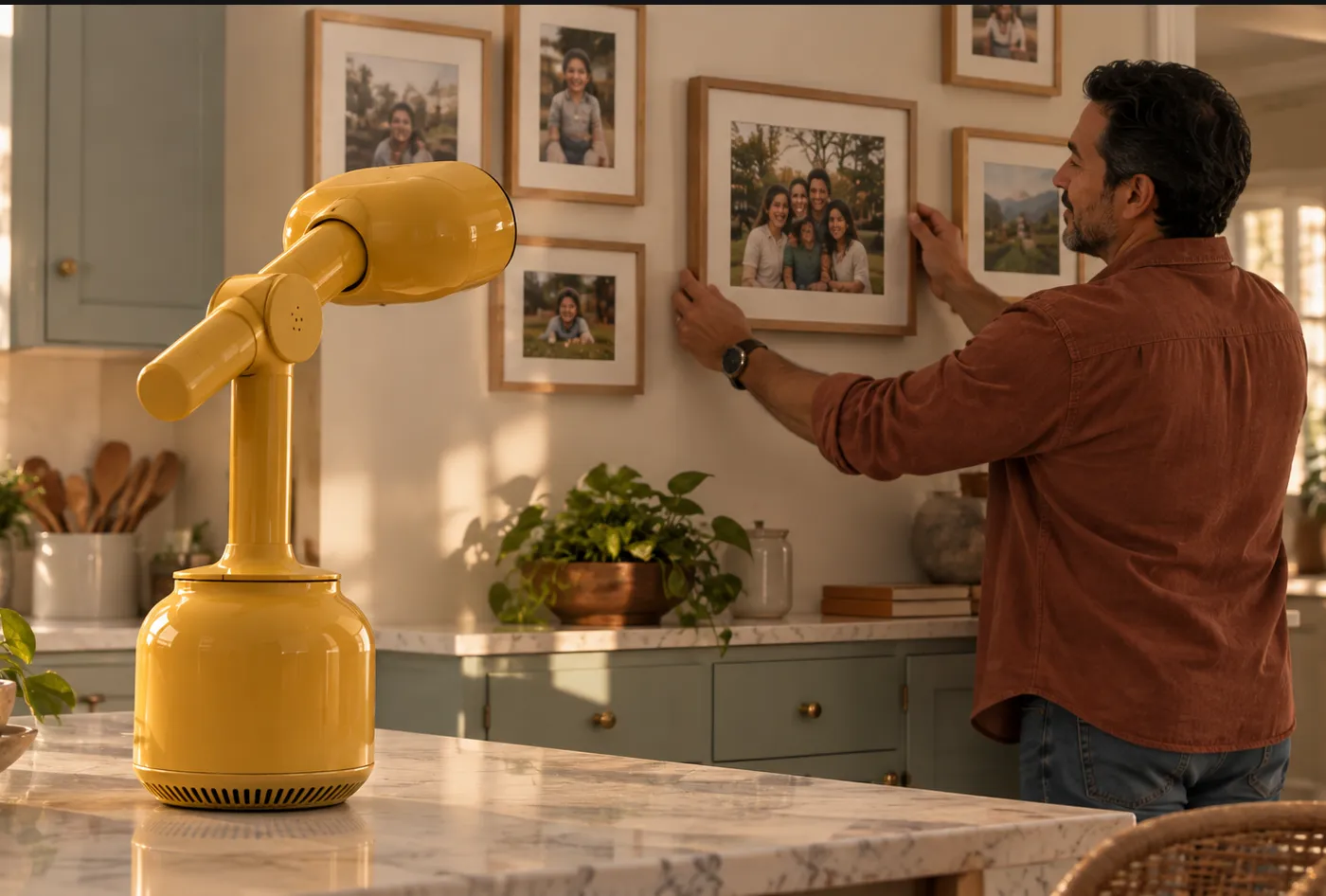
It knows where things belong, and what moved since yesterday.

It turns to meet you when you walk in — presence you can feel, not another app to open.

Today's AI agents live inside the screen. We use multimodal AI to bring them out — into the room where your real work happens. That is why our mission is to empower human intelligence, not replace it. Lumi is our first step in extending AI's capability to the real world.

BS and MS in Mechanical Engineering, UC Berkeley. Led autonomous driving perception from zero to one at Xpeng and ZEEKR.




Research Scientist, Boston Dynamics. Core author of an ICRA 2024 best paper. Works on robot learning and spatial reasoning — how a machine models the space it works in.



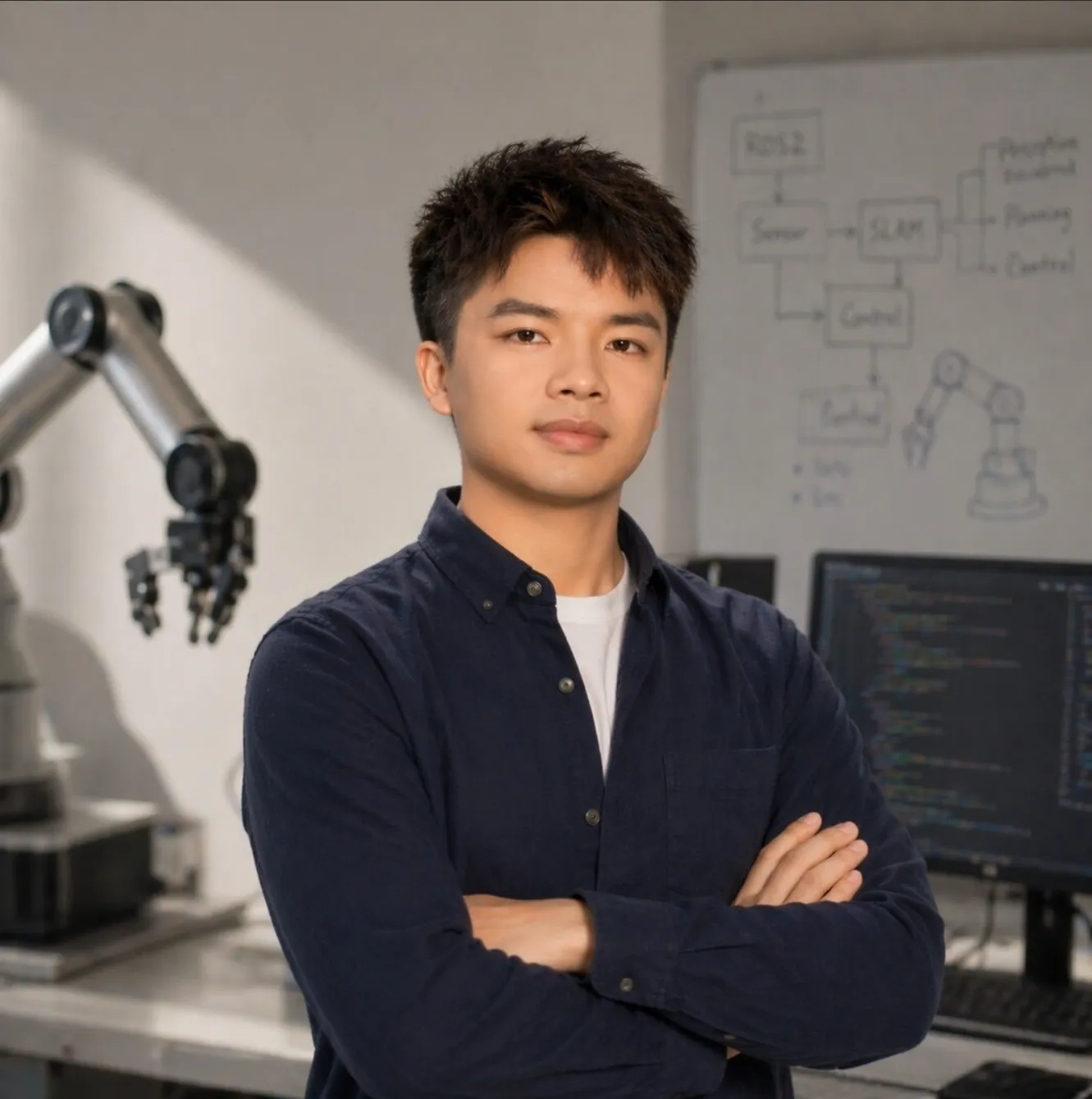
Embedded systems and multimodal perception. Took on-device AI products from prototype to manufacture, and built production perception systems alongside Benjamin.


Leave your email. One click, no account.
One more minute: tell us what your desk looks like, so the first batch fits real work.
Open the questionnaire